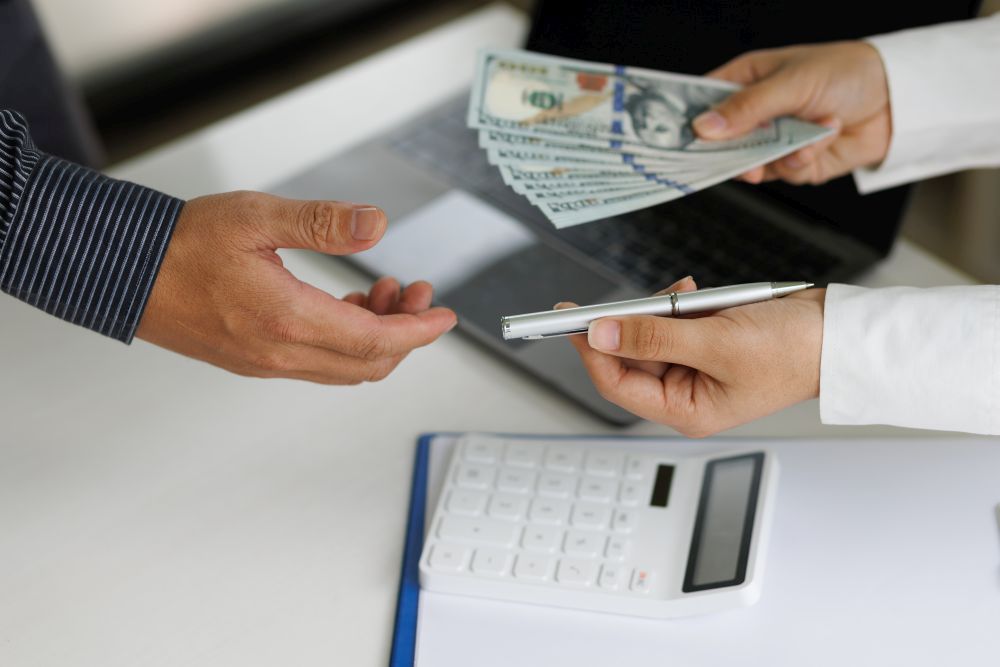
The moment arrives without warning—a medical emergency, a sudden job loss, or an unexpected repair bill that threatens to derail your carefully planned budget. In Singapore’s fast-paced financial landscape, where 61% of adults feel they live paycheck to paycheck despite the city-state’s economic prosperity, securing an urgent cash loan today has become not just a convenience but often a necessity for navigating life’s unpredictable turns.
The Economics of Emergency: Singapore’s Financial Reality
Singapore’s economic story in 2024 reads like a tale of two cities. On one surface, consumer sentiment has brightened considerably—68% of Singaporeans feel positive about the current economic environment, marking a remarkable 20-percentage-point surge from the previous year. Yet beneath this optimism lies a more complex narrative. The Monetary Authority of Singapore reports that total loans reached $960.210 billion in January 2025, reflecting not just economic growth but also the increasing reliance on credit to bridge financial gaps.
The statistics paint a picture that would have fascinated social historians like myself: a society where 92% maintain emergency funds, yet only 60% have saved enough to cover three months of expenses. This gap between aspiration and reality creates fertile ground for the urgent cash loan market—a space where immediate financial needs collide with longer-term financial planning.
Navigating the Immediate Cash Loan Landscape
When seeking fast cash loans today, Singapore’s borrowers face a competitive marketplace where traditional banks offer personal loan rates ranging from 1.99% to 3.80% annually. The archipelago’s financial institutions have evolved to meet the demands of a population where nearly two-thirds feel financially stretched, despite living in one of the world’s most prosperous nations.
The appeal of same-day cash loans extends beyond mere convenience. In a society where consumer spending is projected to grow at 2.8% in 2024—a modest increase reflecting inflationary pressures—the ability to access emergency funds can mean the difference between maintaining stability and facing financial catastrophe. Consider these scenarios where instant cash advances become essential:
-
Medical emergencies that exceed insurance coverage, particularly relevant given Singapore’s ageing population, where nearly half of emergency medical calls involve seniors aged 65 and above
-
Job transition periods where savings must stretch between employment opportunities
-
Educational expenses that arise unexpectedly, affecting 11% of families reporting increased spending on child education
-
Home maintenance crises that cannot wait for traditional loan approval processes
The Psychology of Quick Money Solutions
What strikes me most about Singapore’s relationship with emergency financing is the psychological dimension. The UOB Consumer Sentiment Study reveals that one in three borrowers with loan liabilities actively pay additional amounts to reduce their loan tenure—a behaviour that suggests sophisticated financial planning coexisting with immediate credit needs.
This phenomenon reflects what economists might call “temporal financial segmentation”—the ability to simultaneously manage long-term wealth building while addressing short-term liquidity crises. It’s a financial behaviour that mirrors Singapore’s broader economic strategy: maintaining stability while remaining agile enough to respond to immediate challenges.
Strategic Borrowing in the Digital Age
The infrastructure supporting rapid cash disbursement has evolved dramatically. With over 90% of Singapore’s stores accepting SGQR digital payments, the financial ecosystem has adapted to support instant transactions. This technological foundation enables lenders like CashMax Credit to offer streamlined approval processes that can match the speed of Singapore’s digital-first economy.
The key to successful emergency borrowing lies in understanding the total cost of quick access to funds. While advertised rates may start from attractive levels, the Effective Interest Rate (EIR) provides a more complete picture of borrowing costs. Smart borrowers evaluate not just the speed of access, but the long-term implications of their financial decisions.