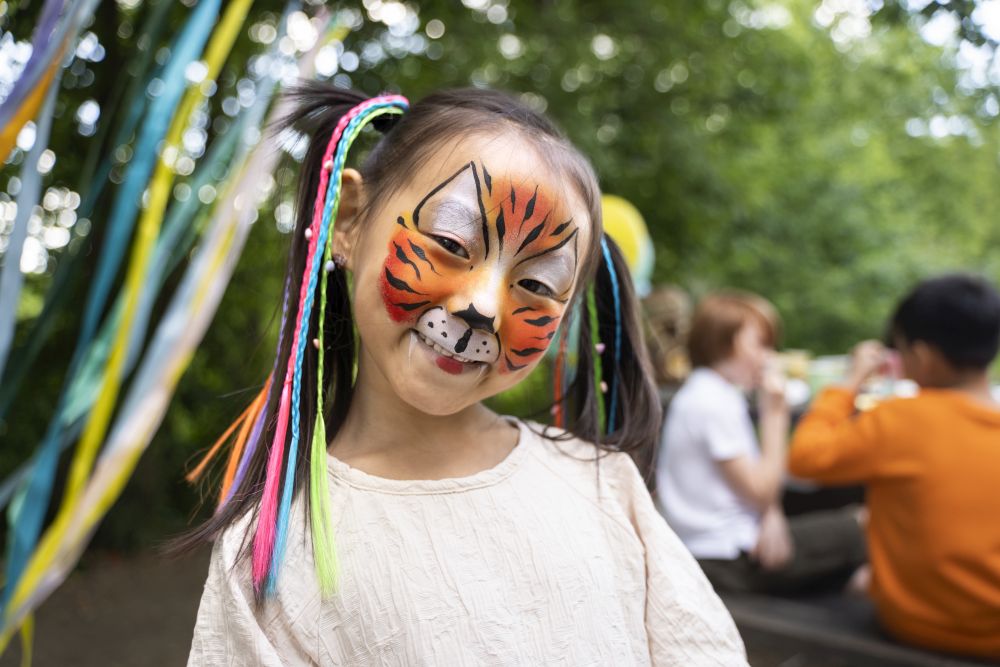
When you hire a face painter Singapore offers for your child’s birthday party, you might assume you are simply booking entertainment. Yet what unfolds is something more complex: a fusion of performance art, cultural expression, and childhood psychology that has quietly evolved into one of the city-state’s most versatile creative professions. Over the past decade, face painting has transcended its origins as mere party decoration to become a sophisticated craft that reflects Singapore’s multicultural identity whilst serving increasingly diverse purposes across the island.
The Science of Childhood Wonder
Face painting operates on principles that child psychologists have long understood. Children experience identity formation through play, and temporarily transforming into a tiger, butterfly, or superhero allows them to explore different aspects of themselves. One veteran face painter in Singapore explained, “When a shy child chooses to become a lion, you can see their posture change. They stand taller. It is not just paint, it is permission to be brave.”
The transformation occurs within minutes, yet the psychological impact extends far beyond the event itself. Photographs capture these altered identities, creating tangible memories that families revisit repeatedly. In Singapore’s documentation-obsessed culture, where every moment seems destined for social media, face painting provides visual spectacle that translates beautifully to photographs whilst offering children genuine, unmediated joy.
Cultural Complexity on Canvas
Singapore’s unique demographic composition creates distinctive demands for face painters working across the island. A single event might host families from Chinese, Malay, Indian, and Western backgrounds, each bringing different aesthetic preferences and cultural sensitivities. Skilled face painters in Singapore have developed expansive repertoires that honour this diversity.
During Chinese New Year celebrations, demand surges for zodiac animals, dragons, and traditional motifs rendered in auspicious colours. Hari Raya events might feature intricate henna-inspired patterns that respect Islamic artistic traditions. Deepavali parties call for designs incorporating rangoli patterns and Hindu symbolism. Meanwhile, Western-influenced birthday parties request superheroes, Disney characters, and contemporary designs that children encounter through global media.
This cultural fluency requires more than technical skill. As one practitioner observed, “You need to understand what each design means to different communities. A butterfly might be universal, but specific colours and patterns carry meanings you must respect.”
The Professional Evolution
What began as a side occupation for art students has matured into a legitimate profession with surprising complexity. Professional face painters in Singapore invest substantially in their craft:
-
Premium materials
Hypoallergenic, FDA-approved paints that withstand Singapore’s humidity and intense heat
-
Continuous training
Workshops covering new techniques, trending characters, and advanced designs that elevate their work
-
Business infrastructure
Liability insurance, proper licensing, and booking systems that manage Singapore’s demanding corporate and private event calendars
-
Artistic development
Many study fine arts, makeup artistry, or theatrical design to enhance their technical capabilities
The economic reality proves surprisingly robust. Experienced face painters singapore residents regularly book can earn respectable hourly rates, particularly for corporate events, large-scale festivals, and premium private functions. The profession offers flexibility that appeals to artists balancing creative pursuits with financial stability.
Beyond Birthday Parties
Whilst children’s parties remain foundational, face painting has expanded into unexpected territories across Singapore. Corporate events employ face painters to attract crowds to exhibition booths, create branded designs featuring company logos, or provide entertainment that softens formal atmospheres. Shopping centres use face painting to increase foot traffic during school holidays and promotional campaigns.
Charity events and community festivals represent another growth area. Face painting stations draw families whilst supporting worthy causes, creating win-win scenarios that benefit both organisers and attendees. One face painter specialising in charity work noted, “These events matter differently. Parents appreciate free quality entertainment, and you are contributing something meaningful beyond commerce.”
The Technical Challenge
Singapore’s climate presents formidable obstacles. Temperatures regularly exceeding 30 degrees Celsius, combined with oppressive humidity, threaten face paint longevity. Professional face painters have adapted through careful product selection, application techniques that account for perspiration, and realistic expectations about duration.
Working outdoors during daytime events compounds these challenges. One practitioner explained, “You learn quickly which products survive Singapore’s conditions. Parents expect designs to last through the party, so you cannot use materials that melt within 20 minutes.”
Speed constitutes another critical skill. Long queues of impatient children require efficient execution without sacrificing quality. Experienced face painters in Singapore can complete simple designs within three minutes and complex pieces within eight, maintaining artistic standards whilst managing throughput that satisfies event organisers.
Health and Safety Considerations
Professional standards have risen considerably as awareness of skin sensitivities has increased. Reputable face painters use only cosmetic-grade paints specifically formulated for skin application, avoiding craft paints or theatrical makeup unsuitable for children. They inquire about allergies, maintain scrupulous hygiene, and employ proper sanitisation between clients.
Parental scrutiny has intensified these requirements. Singapore’s educated, health-conscious families research products and question practitioners about ingredients. This vigilance has elevated industry standards, weeding out casual operators whilst rewarding professionals who invest in premium materials and proper training.
Looking Forward
As Singapore continues developing its arts ecosystem and experience economy, face painting occupies an interesting position. It remains accessible and democratic, requiring no tickets or advance booking at public events, yet delivers personalised artistry that feels exclusive. It bridges high and low culture, applying fine art techniques to popular entertainment.
The profession attracts talented individuals who might otherwise struggle finding viable creative careers in Singapore’s pragmatic economy. It offers artistic expression, human connection, and entrepreneurial possibility within a framework that parents, corporations, and communities readily embrace. Whether transforming a child into their favourite character or adding whimsy to a corporate function, engaging a skilled face painter singapore provides demonstrates how art adapts to serve society’s evolving needs.