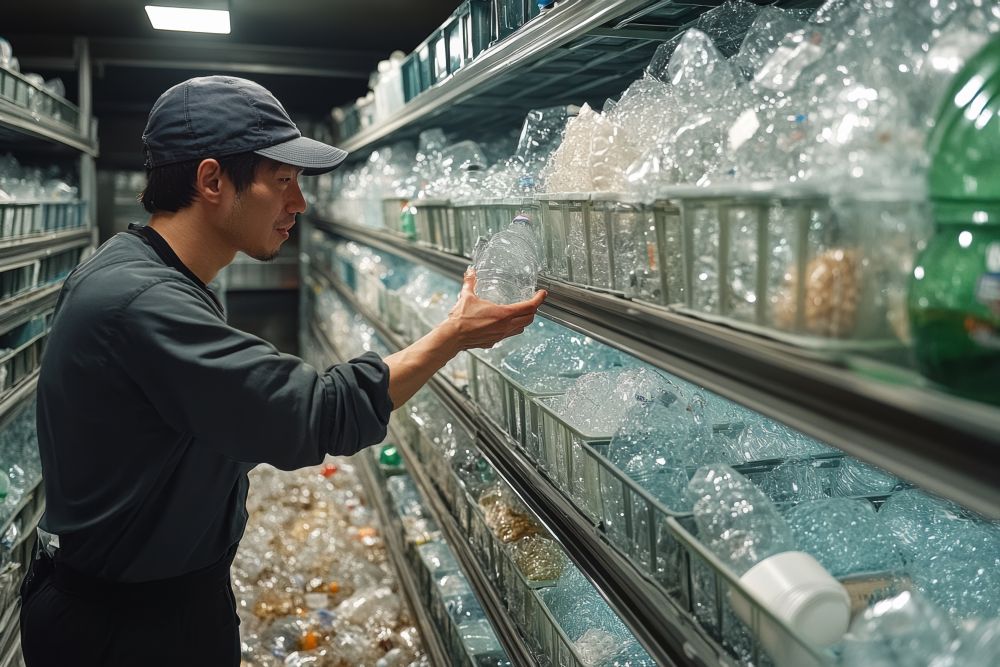
Walk through any wet market, hawker centre, or industrial estate in Singapore and you will see plastic packaging doing quiet, unglamorous work: holding soup without leaking, keeping char siew rice warm on a delivery bike, or stacking neatly in a storeroom shelf. Picking the right packaging is not just about grabbing whatever is cheapest at the wholesaler. It affects how food travels, how long stock lasts in storage, and how a customer feels when they open a container. For business owners juggling tight margins and even tighter kitchen space, a bit of upfront thought on packaging saves money and headaches later. With so many suppliers offering seemingly similar containers at seemingly similar prices, the real differences only show up once a business starts using the packaging under actual working conditions, which is exactly when it becomes expensive to have chosen wrong.
Start With What the Packaging Will Actually Hold
The first question is always about contents, not container. Hot soups and gravies need heat-resistant material that will not warp or leach odd smells into the food. Dry goods like biscuits or dried seafood care more about moisture control and a tight seal than heat tolerance. Liquids such as sauces or beverages need a container that will not crack under pressure when sealed or stacked. A business that skips this step and buys generic containers across the board often ends up with waste from products that leak, deform, or simply look wrong on a shelf.
Know the Common Plastic Types and What They Do Well
Polypropylene, usually shortened to PP, is the workhorse of Singapore’s food packaging scene because it tolerates a decent range of temperatures and holds its shape under stacking pressure. PET is the clear, glossy option often chosen when a product needs to be seen through the packaging, such as pastries or ready-to-eat salads at a supermarket chiller. Neither material is universally better; the right pick depends on whether the priority is heat tolerance, clarity, rigidity, or cost per unit. Food-grade certification matters here too, since packaging touching food directly needs to meet safety standards rather than just look the part.
Think About How Much Space You Actually Have
A packaging choice that looks efficient on paper can become a nightmare in a cramped kitchen or a shared coldroom. Containers that nest or stack flat before use save real shelf space, which matters for smaller F&B operators who do not have the luxury of a dedicated storeroom. On the other end, bulkier or oddly shaped packaging might look premium but eats into space that could otherwise hold ingredients or finished stock. Before committing to a supplier order, it helps to measure out the actual storage area and think about how packaging will sit both before and after use.
Match Packaging to the Type of Business You Run
A caterer preparing bento sets for a corporate event has very different needs from a factory packing bulk components for shipment. Caterers and food stall operators generally need packaging that is presentable enough to hand directly to a customer, leak-resistant for gravies and sauces, and practical enough to microwave or reheat without issue, which is why many turn to dedicated catering and ready-to-eat packaging built around those exact demands. Retailers selling festive treats care more about how the packaging looks on a shelf during the gifting season. Manufacturers moving parts or raw materials prioritise strength and stackability over appearance. Recognising which category a business falls into narrows the packaging search considerably.
Weight Cost Against Durability Honestly
The cheapest container per piece is not always the cheapest option overall. Thin-walled packaging that cracks during transport or handling generates returns, complaints, and wasted stock, which quietly erodes any savings made on the unit price. On the flip side, over-engineered packaging with unnecessary thickness or features adds cost without adding value for products that do not need it. The smarter approach is matching the packaging grade to how roughly the product will actually be handled, from kitchen counter to delivery bag to end customer.
Factor In How Packaging Affects the Buying Decision
Packaging choice also shapes how a product is perceived before anyone tastes or tests it. A container that looks flimsy or scuffed easily can make even well-made food or goods seem lower quality than they actually are, while a clean, well-fitted container signals a level of care that customers notice even if they cannot articulate why. This matters most at points of first impression, such as a new customer trying a stall for the first time or a retailer stocking a product for the first time. Getting packaging appearance right does not require the most expensive option on the market, just one that is consistent, clean, and appropriate for the price point of what it holds.
Consider How the Packaging Performs Once It Leaves Your Premises
Packaging does not stop working once it leaves the shop or factory. Delivery riders stack boxes at odd angles, customers reheat containers in microwaves, and festive gift boxes get carried around during visits and gatherings. A container that performs well in a controlled kitchen environment but fails during a bumpy delivery ride creates a poor impression that has nothing to do with the food quality inside it. Testing packaging under the conditions it will actually face, rather than just in a clean showroom setting, catches these problems before they become customer complaints.
Choosing plastic packaging in Singapore comes down to matching material, size, and durability to the specific demands of the product and the business handling it. There is no single container that works for every situation, and the businesses that get the most value tend to be the ones willing to think through contents, storage, and end use before placing a bulk order. A little diligence at the sourcing stage pays off every single time that packaging does its job without anyone noticing it at all.