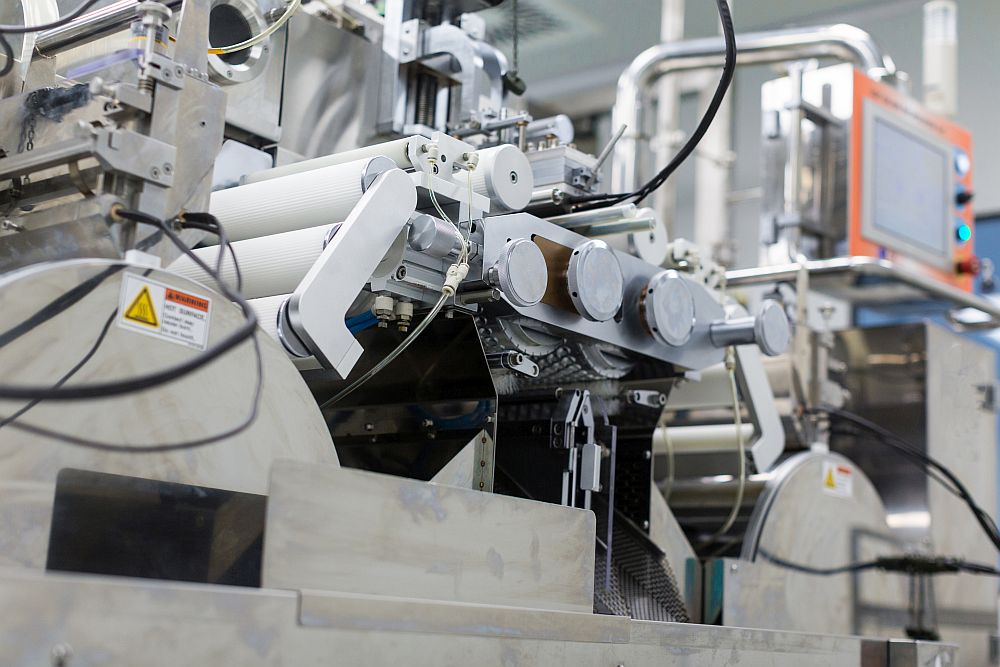
MIM manufacturing is transforming how companies make complex metal parts with incredible accuracy and speed. Think of it as combining the best of plastic moulding with the strength of metal. This clever process lets manufacturers create shapes that were once impossible or too expensive to make.
What Makes MIM Manufacturing Special
Metal injection moulding works like magic. You can make tiny, detailed metal parts that would cost a fortune using traditional methods. While old-school techniques like machining struggle with complex shapes, MIM manufacturing makes them easily.
Here’s how it works in simple terms. First, ultra-fine metal powder gets mixed with plastic binders to create a mouldable paste. This mixture flows into moulds just like melted plastic would. After shaping, the plastic bits are removed and the metal is heated until it fuses together. The result? Solid metal parts as strong as those made through traditional methods.
The precision achieved through MIM manufacturing is remarkable. Parts can include features like tiny holes, thin walls, and complex curves all in one piece. Traditional manufacturing would need multiple operations to achieve the same result, adding time and cost to production.
Why Choose the MIM Process
The benefits of MIM manufacturing go well beyond saving money. Here’s what makes it brilliant:
-
Create complex shapes with hidden features and internal threads
-
Use over 97 percent of your raw materials with minimal waste
-
Get smooth surfaces that don’t need extra finishing work
-
Combine several parts into one single component
-
Enjoy consistent strength throughout each part
-
Save money on medium to large production runs
These advantages explain why medical companies love MIM manufacturing. They use it to make surgical tools and implants that must be both safe for the body and perfectly precise.
Materials You Can Use
MIM manufacturing works with many different metals. Stainless steel is the most popular choice, making up about half of all mim parts. But you can also use regular steel, tool steel, magnetic materials, tungsten, and even gold or silver.
This flexibility means different industries can benefit. Car makers use MIM manufacturing for turbocharger parts and fuel injectors. Electronics companies make connectors and heat sinks. Even luxury brands use it for watch parts and jewellery pieces.
The Asian Success Story
Asia has become a powerhouse in mim manufacturing. Industry experts note that “Singapore’s MIM manufacturing sector has experienced remarkable growth, with the country establishing itself as a regional hub for high precision metal injection moulded components, particularly for the medical and electronics industries.” This success story shows how investing in modern technology pays off.
What to Consider
Before jumping into MIM manufacturing, you need to know its limits. Parts usually weigh between 0.1 and 100 grams, though most are between 1 and 20 grams. Walls should be thinner than 6 millimetres to avoid problems during cooling.
The moulds can be expensive to make initially. That’s why MIM manufacturing works best when you need at least 10,000 pieces per year. But when you hit these numbers, the cost per part often beats traditional methods hands down, especially for complex shapes.
Keeping Quality High
Today’s MIM manufacturing facilities use smart technology to check quality. Computer systems monitor every step. Cameras inspect parts automatically. Measuring machines ensure everything meets specifications. Most parts stay within 0.3 to 0.5 percent of the intended size.
Global standards help maintain quality too. Industry groups have created guidelines for materials and processes. ISO standards provide rules for testing and quality management. These standards mean engineers can trust MIM parts for important applications.
Environmental Benefits
MIM manufacturing also helps the planet. The process creates very little waste compared to traditional machining, which often turns most of your raw material into scrap. Energy use is lower too, since you’re not cutting away material for hours on end. Many facilities now recycle their binder materials and reuse metal powder that doesn’t make it into parts. This eco-friendly approach appeals to companies trying to reduce their environmental footprint whilst maintaining high quality standards.
What’s Coming Next
The future of MIM manufacturing looks bright. Scientists are developing new binder materials that work faster and create less waste. Computer programmes now let designers test their ideas virtually before making expensive moulds.
3D printing is starting to work alongside MIM manufacturing. Companies can 3D print prototypes for testing, then use MIM for mass production. This combination speeds up development while keeping production costs low.
Making Smart Decisions
Choosing MIM manufacturing requires careful thought. You need to consider several factors:
First, look at your design complexity. The more intricate your part, the more sense MIM makes. Next, think about quantities. Higher volumes mean lower costs per piece. Consider your material needs too. Make sure MIM can work with your chosen metal.
Talk to MIM manufacturers early in your design process. They can help you adjust your designs to work better with the process. Small changes early on can save big money later.
The Bottom Line
MIM manufacturing keeps getting better. New materials appear regularly. Process improvements push the boundaries further. Quality keeps improving whilst costs keep dropping.
Companies that understand MIM manufacturing gain a real edge over competitors. They can make better parts faster and cheaper than ever before. As global competition heats up, smart manufacturers are turning to MIM to stay ahead.
Whether you’re making medical devices, car parts, or consumer electronics, mim manufacturing could be the key to better products at lower costs.